Storm-Damaged Mains in Point Clare
If a storm has damaged your service mains, pole, or point of attachment in Point Clare, treat the area as live and dangerous until it is properly checked. Electrician Point Clare is Level 2 ASP accredited and responds same-day, backed by 300+ five-star reviews.
What Storm-Damaged Mains Actually Means
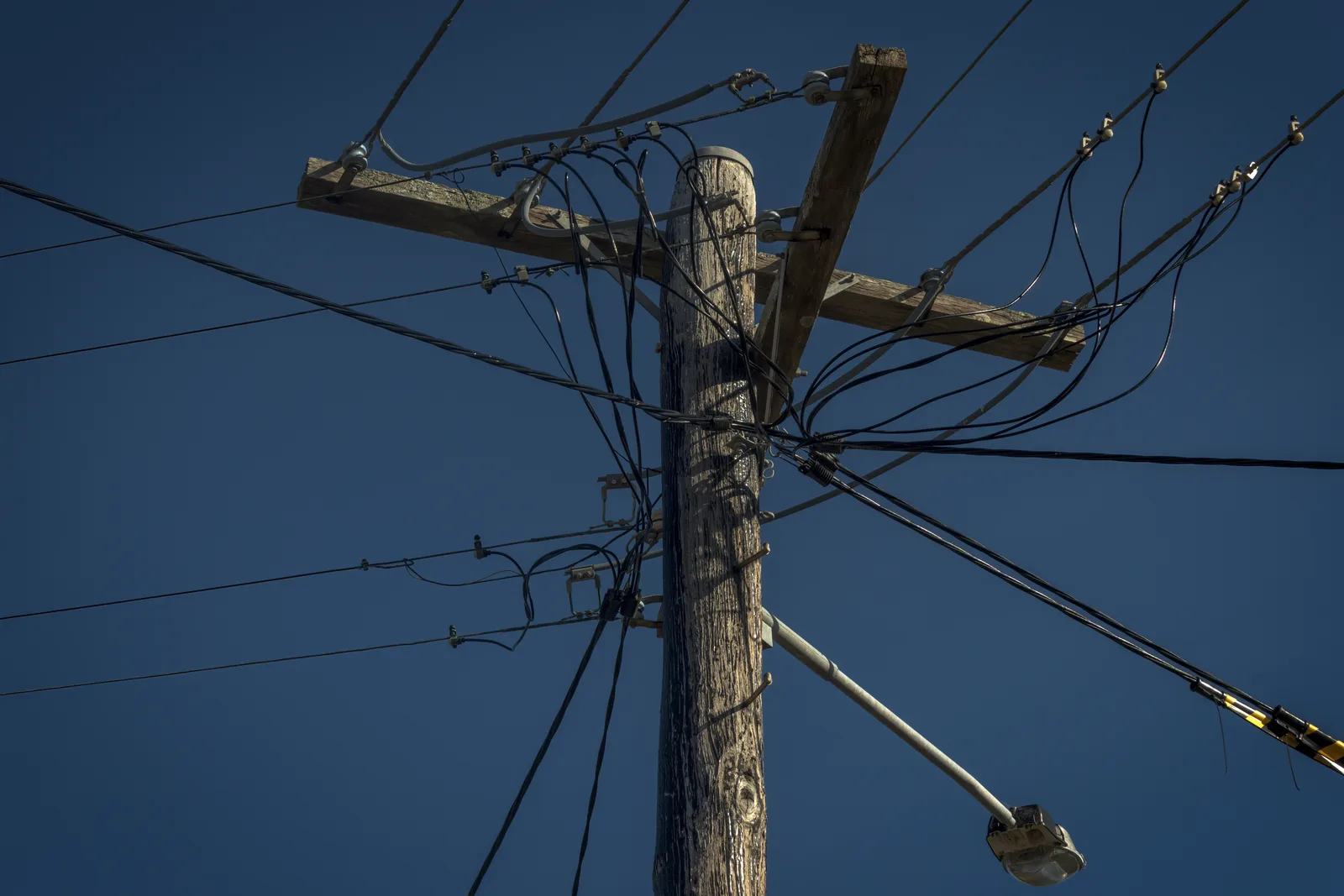
After wind, rain, or a falling branch, your service mains, private pole, or point of attachment can be pulled, snapped, or dislodged. Under AS/NZS 3000 this is treated as live until proven safe, and only a Level 2 ASP is licensed to inspect and repair it.
Common Causes of Storm-Damaged Mains in Point Clare
Falling branches from mature trees
The established trees lining streets near Point Clare Waterfront Reserve and Fagans Park often drop limbs onto overhead lines during storms.
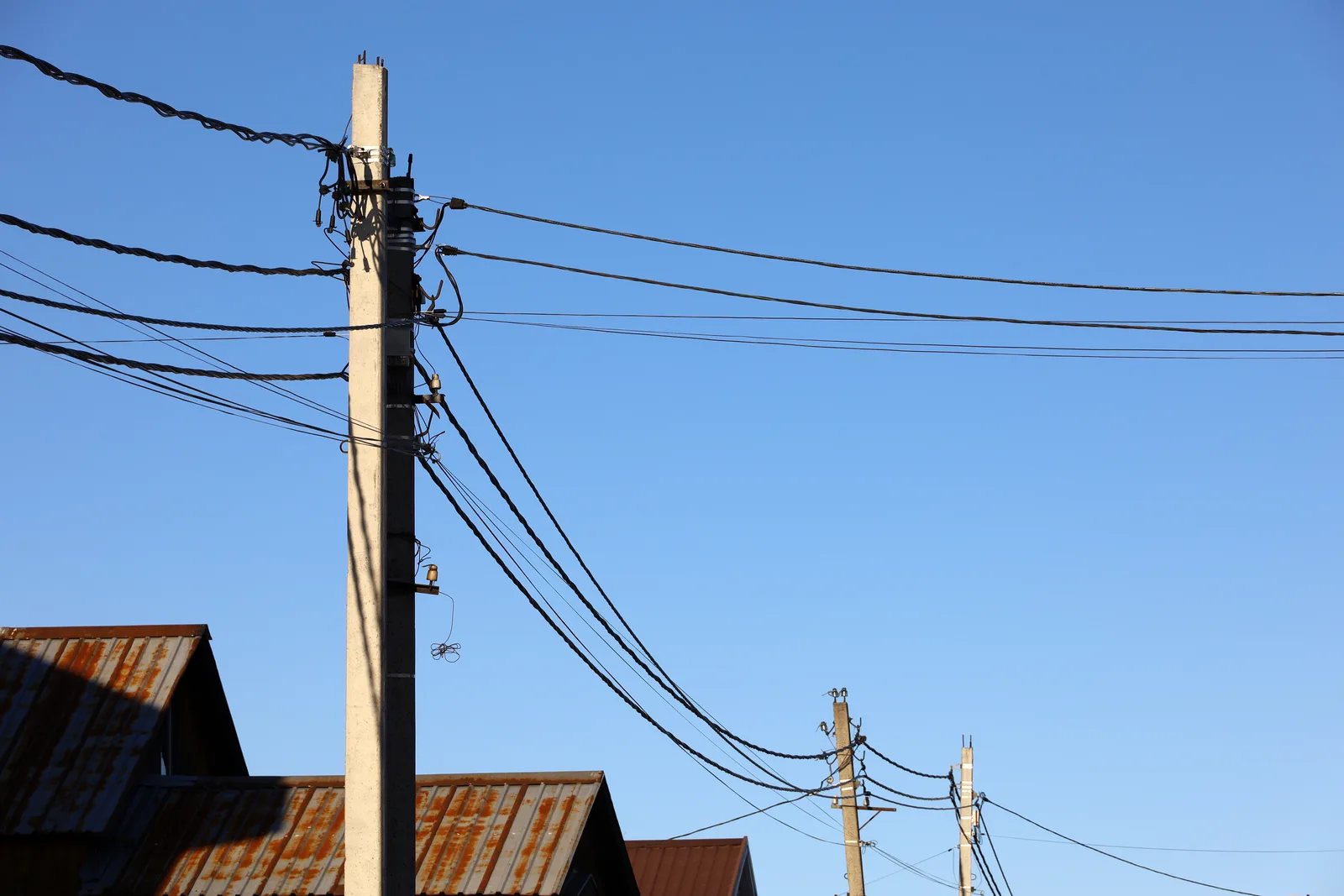
Strong wind stretching overhead lines
Gusts off Brisbane Water can pull and stretch service mains beyond their normal tension, weakening the connection at both ends.
A failed point of attachment
Storm force can finish off a point of attachment already weakened by salt-air corrosion, dropping the line or pulling it from the wall.
A leaning or damaged private pole
Wind and saturated ground after heavy rain can push an ageing private pole further off vertical, straining the mains it carries.
Flying debris strikes
Loose roofing, fencing, or garden debris carried by storm winds can strike and damage overhead service lines directly.
Waterlogged ground shifting a pole or bracket
Saturated soil after prolonged Central Coast rain can soften the footing around a pole base or wall bracket, letting storm winds shift the whole connection out of alignment.
Is Storm-Damaged Mains Dangerous?
Yes, this is urgent. Storm damage to service mains or a pole can leave live conductors exposed, low, or resting on structures, and it should always be treated as a genuine hazard.
- Any downed or sagging line after a storm should be treated as live
- A leaning pole or damaged bracket can fail further without warning
- Water pooling near a damaged connection adds an electrocution risk
What To Do Right Now
Take these safe steps immediately after storm damage:
- Keep everyone, pets, and vehicles well clear of the damaged line, pole, or bracket.
- Do not attempt to move fallen branches or debris resting on the mains.
- Note if power has also been lost to part or all of the property.
- Avoid standing water near the meter box or point of attachment.
- Call a licensed Level 2 ASP (Lic #451348C) as soon as it is safe to do so.
When To Call a Level 2 Electrician for Storm Damage in Point Clare
- A branch or debris has fallen on or near the overhead service line
- The line or pole is visibly leaning, sagging, or disconnected
- Power has dropped out to part or all of the property since the storm
- The point of attachment bracket looks damaged or pulled loose
- You are unsure whether the damage is safe to be near
This is urgent Level 2 work after a storm, never a DIY fix, and waiting until the next fine day only extends the risk. We respond same-day and 24/7, with $0 call-out and free quotes. See our service mains and private pole pages.
How it works
How We Fix Storm-Damaged Mains in Point Clare
Safety Assessment
We assess the storm damage to the mains, pole, and point of attachment on site to confirm the safest way to isolate the supply before touching anything.
Upfront Quote
You get a fixed, transparent price for the repair or replacement before any Level 2 work begins, with nothing added later.
The Repair or Replacement
We repair the service mains, re-secure the point of attachment, or replace a damaged private pole as the damage requires.
Network Testing & Sign-Off
The completed repair is tested and signed off to AS/NZS 3000 and Ausgrid network standards before power is restored to your property.
We coordinate directly with Ausgrid where the network connection itself needs attention after major storm damage, keeping you updated at every step until power is safely restored.
Why This Is Common in Point Clare Homes
Point Clare's mature tree-lined streets near Brisbane Water see regular branch damage to overhead mains during Central Coast storm season, a pattern shared with nearby Gosford and its similarly established canopy.
Storm Damage and Related Electrical Faults Across Point Clare
Storm-damaged mains often show up alongside a sagging service line or a failing private pole, sometimes all at once after a bad blow. We fix all three across Point Clare, Gosford, Point Frederick, and the wider Central Coast.
Storm-Damaged Mains in Point Clare? Call Now
Call (02) 4063 3477 for urgent same-day Level 2 response, $0 call-out, free quotes, and fixed upfront pricing, backed by 300+ five-star reviews and a lifetime labour warranty. If it sparks, shorts, flickers or fails, we can fix it.
Common questions
Storm-Damaged Mains FAQs
Straight answers for Point Clare homeowners dealing with storm damage to their mains.
Are storm-damaged service mains dangerous?
Yes, wind or branch damage to overhead mains can leave live conductors exposed, sagging, or disconnected, so the area should be treated as dangerous until inspected.
What causes storm damage to service mains?
Strong wind, falling branches, and flying debris are the most common causes of pulled, stretched, or snapped overhead service mains and point of attachment fittings.
What should I do if a storm has damaged my mains?
Stay well clear of any damaged line or pole, do not touch fallen branches near it, and call a licensed Level 2 ASP straight away to assess and make it safe.
Do I need a Level 2 electrician after storm damage to mains?
Yes, the service mains and point of attachment are Level 2 work, so only a Level 2 ASP is licensed to repair storm damage to that wiring.
How much does it cost to repair storm-damaged mains?
We assess the storm damage first and provide a fixed, upfront quote for the repair, with $0 call-out and a free quote, before any work begins.
Is storm damage to mains common in Point Clare?
Yes, mature trees along Point Clare's leafy streets near Brisbane Water regularly drop branches on overhead lines during Central Coast storm season.